MÉDECINS SANS FRONTIÈRES · LEBANON

Antimicrobial
Resistance

MSF’s report “The Broken Lens: Antimicrobial Resistance in Humanitarian Settings”, follows on from the second UN High-Level Meeting on Antimicrobial Resistance, held on 26 September 2024.

Read More
Antimicrobial Resistance (AMR)What is AMR
01 · The basics

What is Antimicrobial Resistance (AMR)

It is a phenomenon that occurs when some bacteria, viruses, parasites and other microbes adapt to medical treatments so effectively that commonly used drugs to prevent or eliminate them are no longer effective, leading to drug-resistant infections.

Read MoreRead Less

According to a 2019 Murray study, AMR was responsible for 1.27 million deaths worldwide, making it a leading global cause of mortality, with low-resource settings bearing the highest burdens. AMR is an urgent global public health threat. It can affect individuals at any stage of life, as well as the healthcare, veterinary and agriculture industries. The direct consequences of infections caused by resistant microbes can be severe, resulting in increased morbidity, prolonged illnesses, extended hospital stays, higher costs and increased mortality.

1.27 million

deaths worldwide caused by AMR in 2019

Source: Murray study

02 · Know the facts

Facts About AMR

01What Cause AMR Infections?

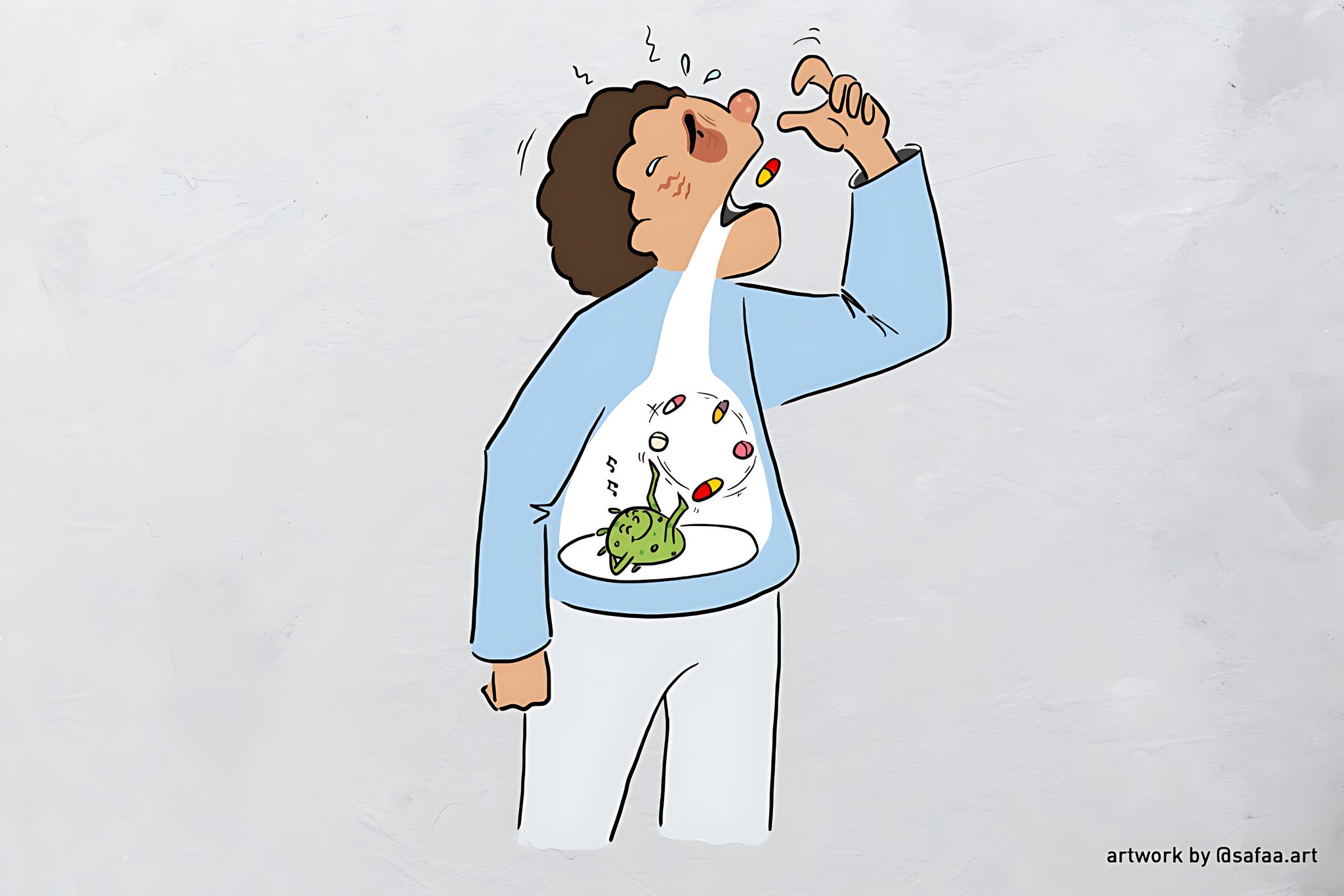
AMR infections are frequent in places where antibiotics are overused and misused. Without proper diagnostics, healthcare providers may not know if a patient’s symptoms are those of a bacterial infection, and if they are, which bacteria is involved. In contexts with limited access to healthcare, over-the-counter sale of antibiotics without a prescription is common. This can result in unnecessary antibiotic consumption. In hospitals with poor hygiene, resistant bacteria can spread, affecting vulnerable patients who are already sick or have unhealed wounds.

02What are the symptoms of AMR?

AMR infections often go unrecognized in their early stages, since they usually cause the same clinical symptoms as antibiotic-sensitive infections. Typically, they are identified only after the patient’s symptoms persist despite treatment with appropriate first-line antibiotics.

03How do you prevent AMR?

Infection prevention involves many different approaches, such as ensuring widescale population coverage with vaccines against infectious diseases, providing safe water and sanitation in communities and establishing effective infection control measures in hospitals and health clinics. When patients seek treatment for illnesses, doctors and health workers must avoid overusing antibiotics. Antibiotics should be prescribed by a clinician and provided by a pharmacy. Patients must also be aware that taking the prescribed dosage for the entire prescription period is of the utmost importance. Governments need to improve access to healthcare and healthcare infrastructure, such as microbiology laboratories that can accurately diagnose infections and point doctors to the correct prescription. Governments also need to better regulate over-the-counter sale of antibiotics.

04How is AMR treated?

Patients with an AMR infection have fewer antibiotic treatment options. These options are generally more expensive, more complicated to administer (intravenously rather than orally) and often more toxic with numerous side effects. For many types of highly resistant infections, where no current antibiotics are effective, patients may be treated either with some antibiotics that are abandoned due to their potentially dangerous side effects, or with a combination of antibiotics that together to overcome the resistance. When no antibiotics work, and the infection is localized to a limb, amputation may be the only hope for saving the patient’s life.

03 · Riwa and Haydar

What does it mean for patients

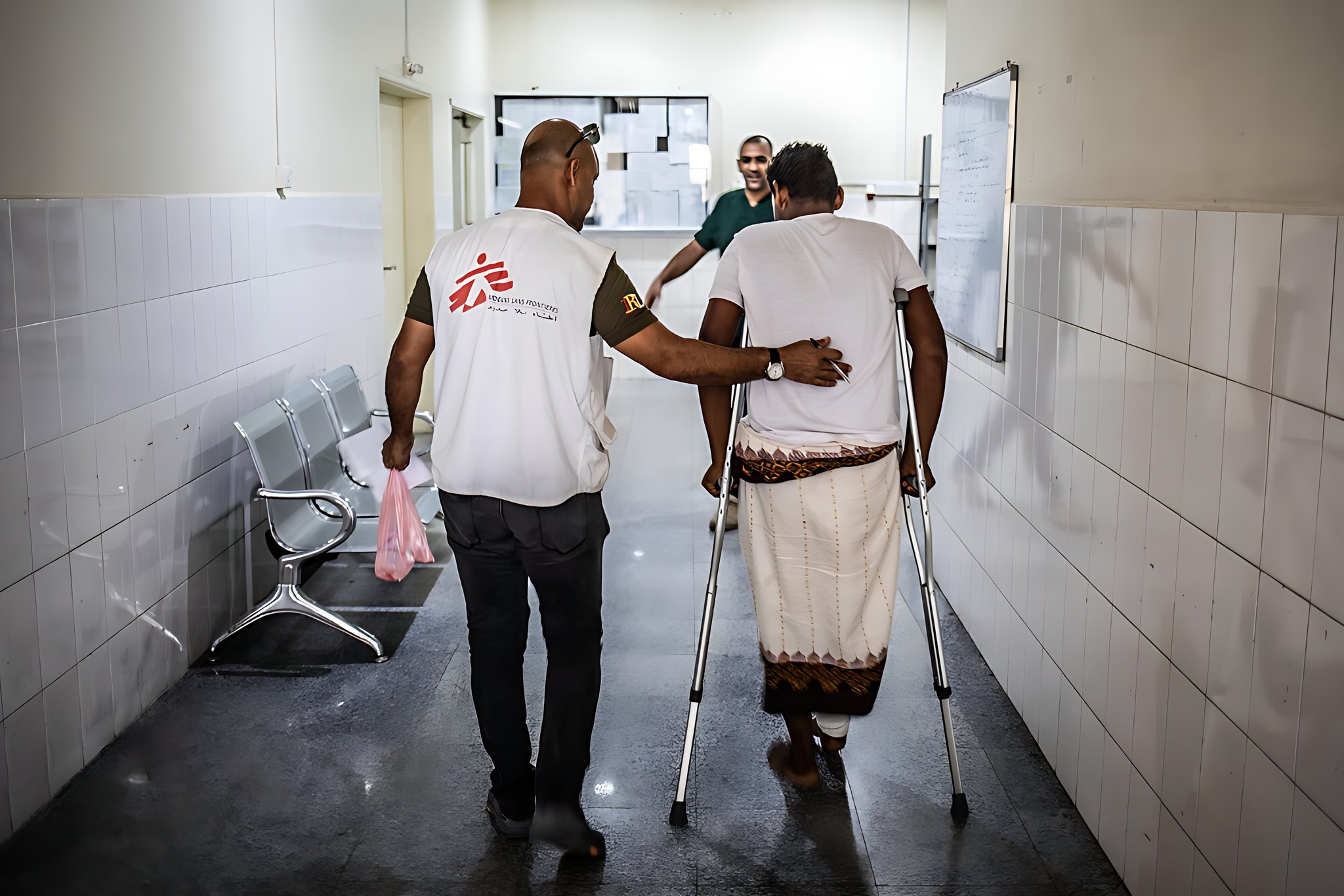
Patient’s life could take an unexpected turn when they contract an infection. With Riwa and Haydar, common antibiotics initially brought relief, but the infection returned relentlessly, and standard treatments proved futile due to antimicrobial resistance.

Read MoreRead Less

Resistant infections took a toll on both of their mental and physical health, causing constant pain and fatigue amidst uncertainty of effective treatment. Endless rounds of tests, consultations, and alternative medications heavily burdened them. The experience underscored the profound impact of AMR on an individual’s life. It was not a mere medical battle, but a personal journey marked by setbacks and resilience.

04 · In crises

AMR in Humanitarian Context

In a humanitarian contexts, such as during emergencies, conflicts, or natural disasters, the challenges associated with AMR become even more pronounced. Here’s how AMR is relevant in a humanitarian context. AMR poses a heightened threat due to overcrowded conditions, limited healthcare access and disrupted supply chains. Challenges include increased disease spread, misuse of antibiotics, weakened health systems and population displacement.

05 · Our response

How is MSF adressing AMR

MSF has made an institutional commitment to comprehensively address AMR in the humanitarian contexts where we operate, through a range of actions centred on providing quality care to patients, adapting to health system and community realities and fostering countries’ engagement in policy change.

Read MoreRead Less

The strategy includes three pillars: infection prevention and control; antimicrobial stewardship; and expanded access to diagnostic and surveillance. In addition, MSF’s approach encompasses key transversal subjects: operational research, health promotion, learning and development, initiatives and innovations, analysis and advocacy, and prevention and vaccination.

Learn more in MSF’s report of 2023 activities on AMR.

  • Pillar 01

    Infection prevention and control

  • Pillar 02

    Antimicrobial stewardship

  • Pillar 03

    Expanded access to diagnostic and surveillance

What political actions are needed on AMR

06 · Political action

What political actions are needed on AMR

AMR is a global issue that requires cooperation from all countries to prevent and slow its spread wherever it may emerge. It is crucial to expand the implementation of prevention strategies and antimicrobial stewardship, supported by microbiology. Equitable political and resourceful commitments are essential to ensure no one is left behind.

To achieve an equitable, global, and timely action on AMR, MSF calls for:

  1. Recognizing the impact and drivers of AMR in conflict-affected contexts and humanitarian crises.
  2. Provision of technical and financial support beyond what is currently available.
  3. Improving access to antimicrobials and diagnostics by tieing access conditions to the development of new antimicrobials and diagnostics, adopting pooled procurment, developing public research & development initiatives, and improving forcasting strategies.
  4. Shoring up foundations – such as implementation of infection, prevention and control, antimicrobial stewerdship, water, sanitation and hygene, vaccination and universal health coverage.
  5. Expanding access to microbiology and fostering innovation like mini-labs and Antibiogo.

07 · Everyone counts

Who has a role to play

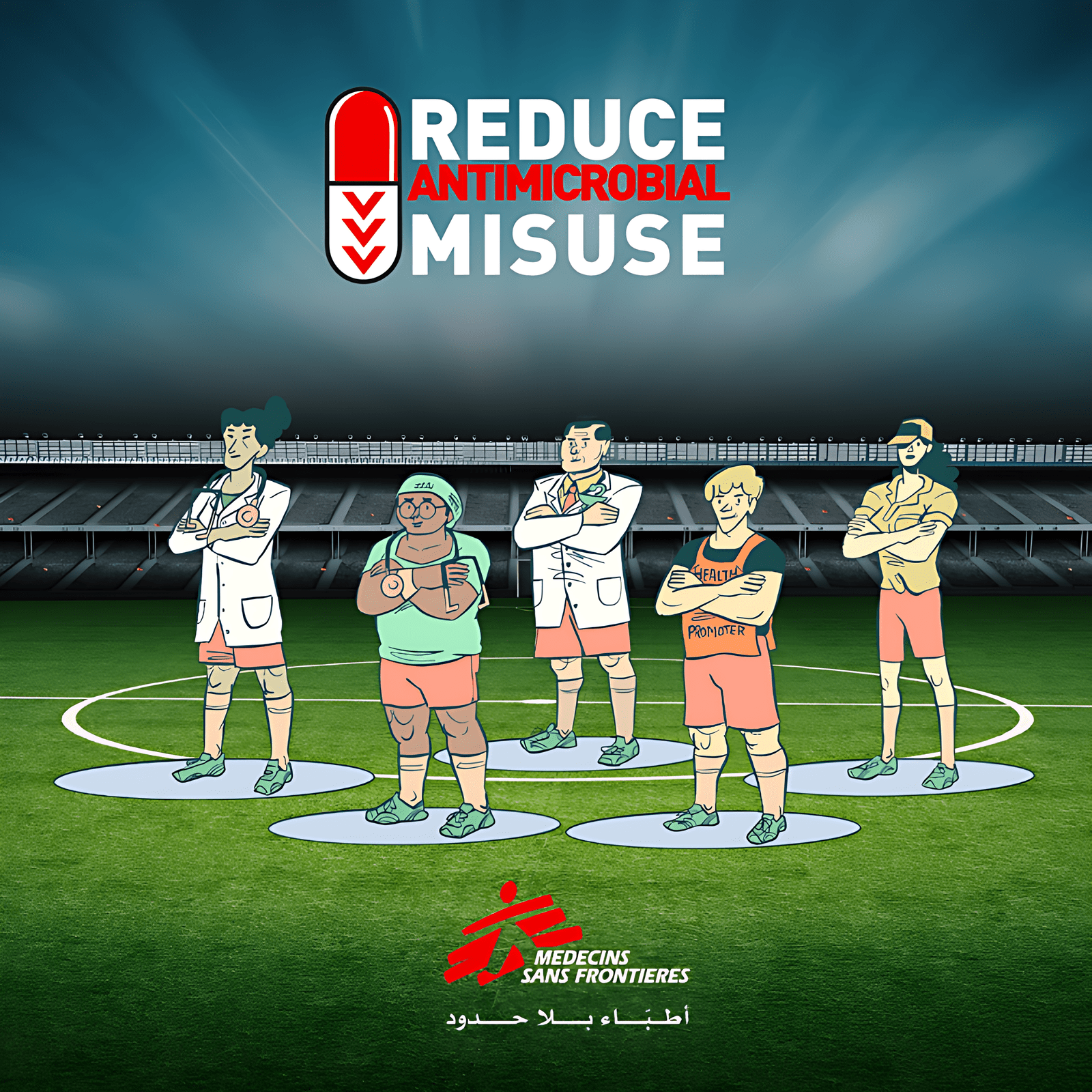
Addressing AMR requires active involvement from healthcare professionals, individuals, policymakers, and the broader community to preserve antibiotic effectiveness. Healthcare providers ensure responsible use, individuals follow prescribed regimens, and policymakers implement regulations, support research, and promote public health campaigns.
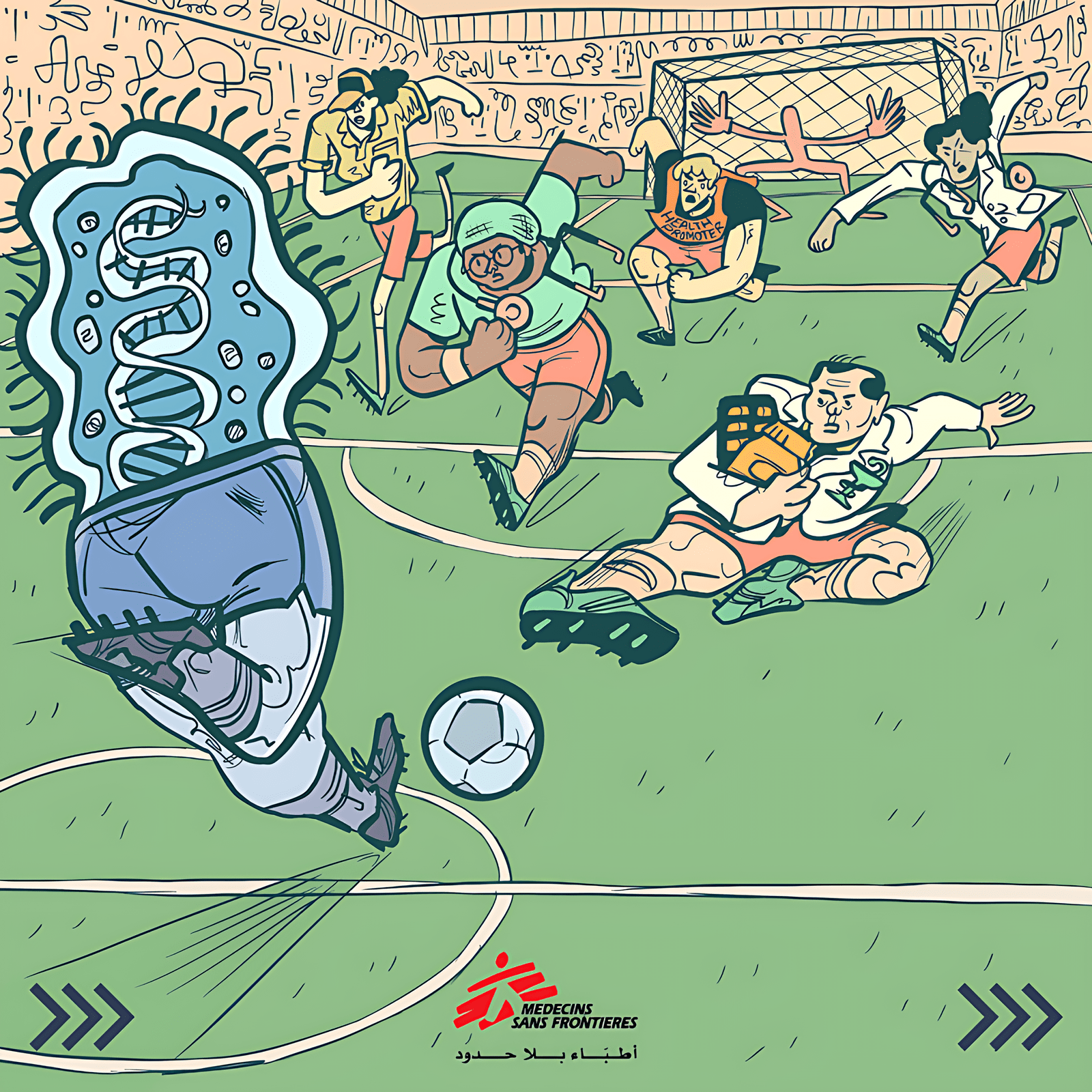
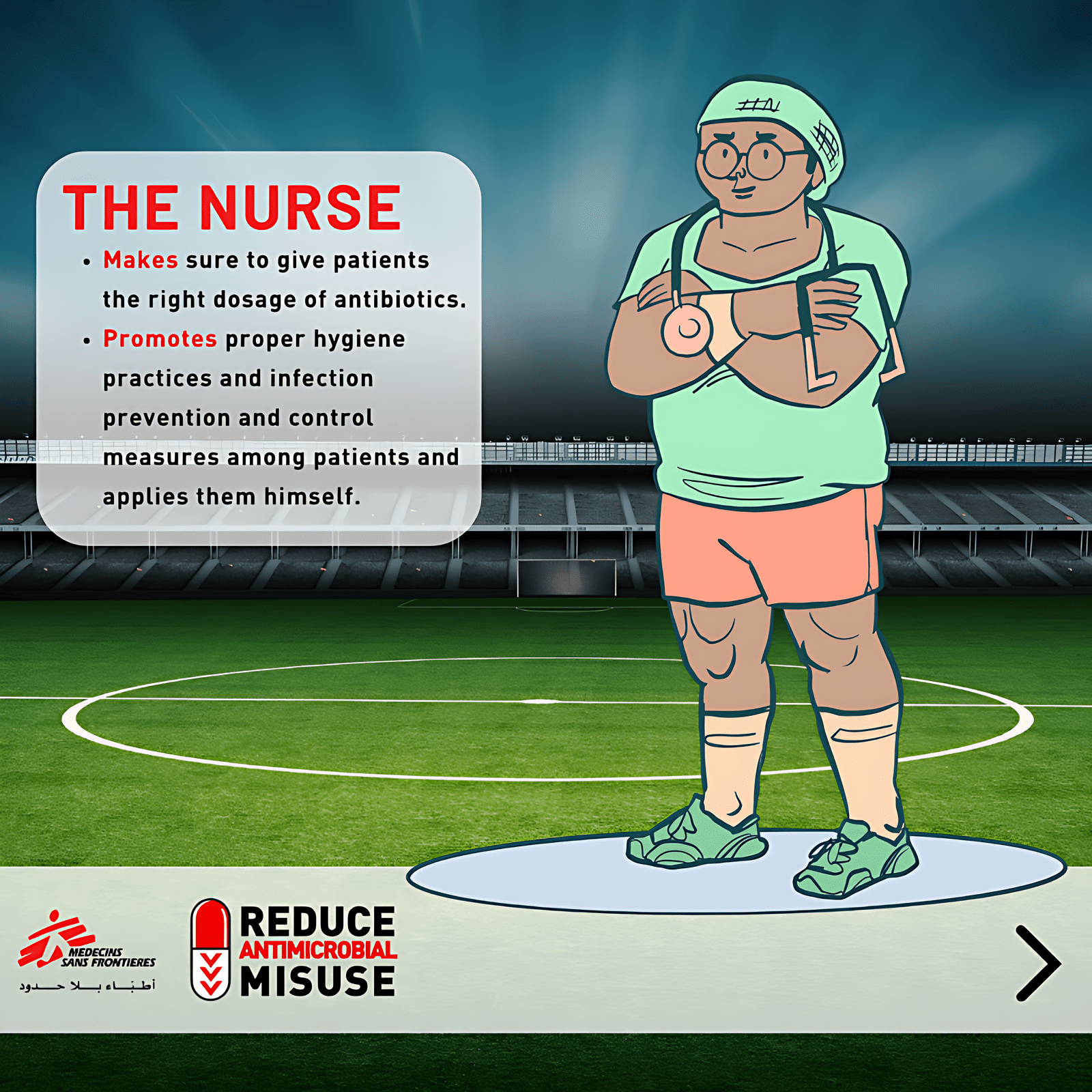
Reduce antimicrobial misuse: everyone has a role to play.
The nurse: makes sure to give patients the right dosage of antibiotics and promotes proper hygiene and infection prevention and control.
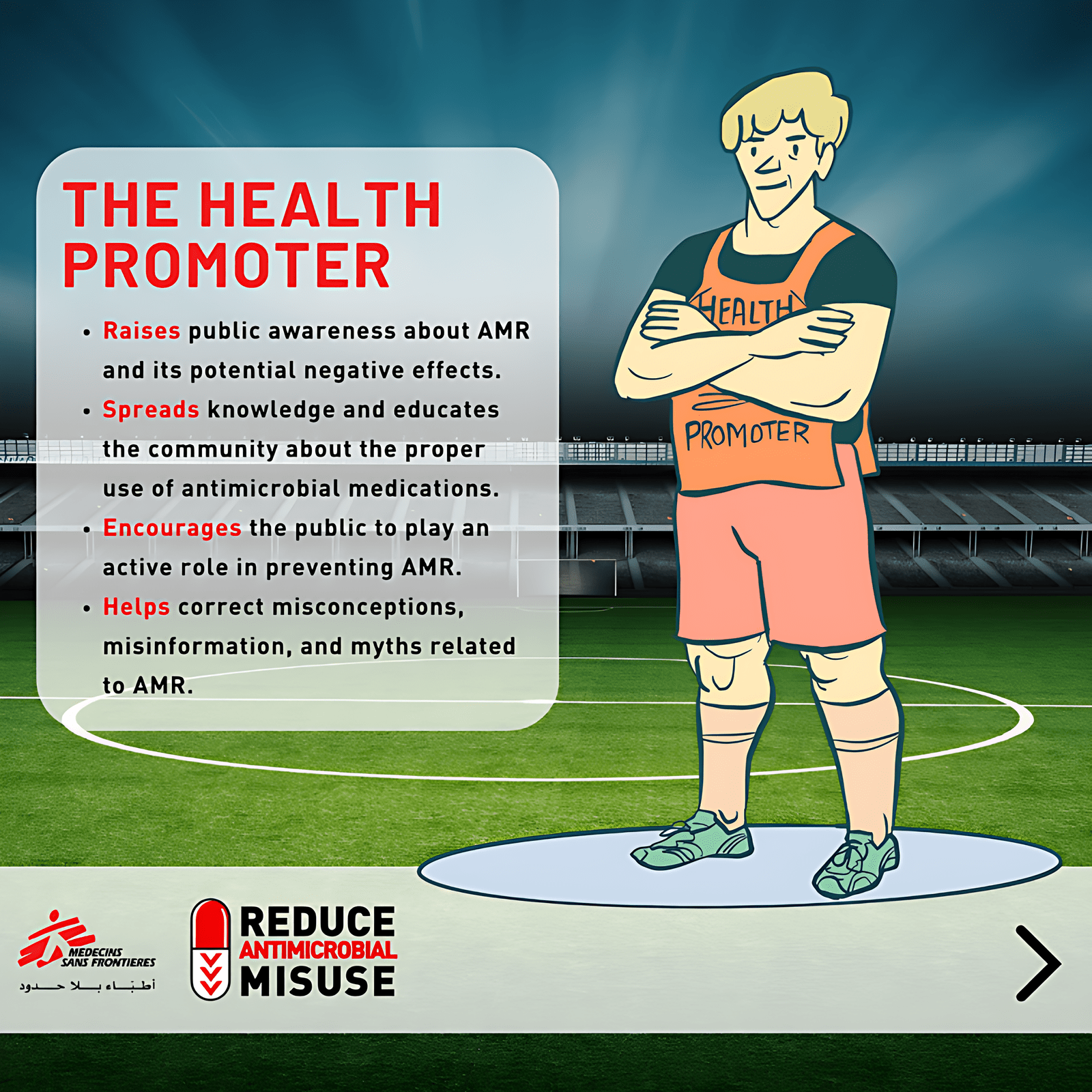
The health promoter’s role in reducing antimicrobial misuse.
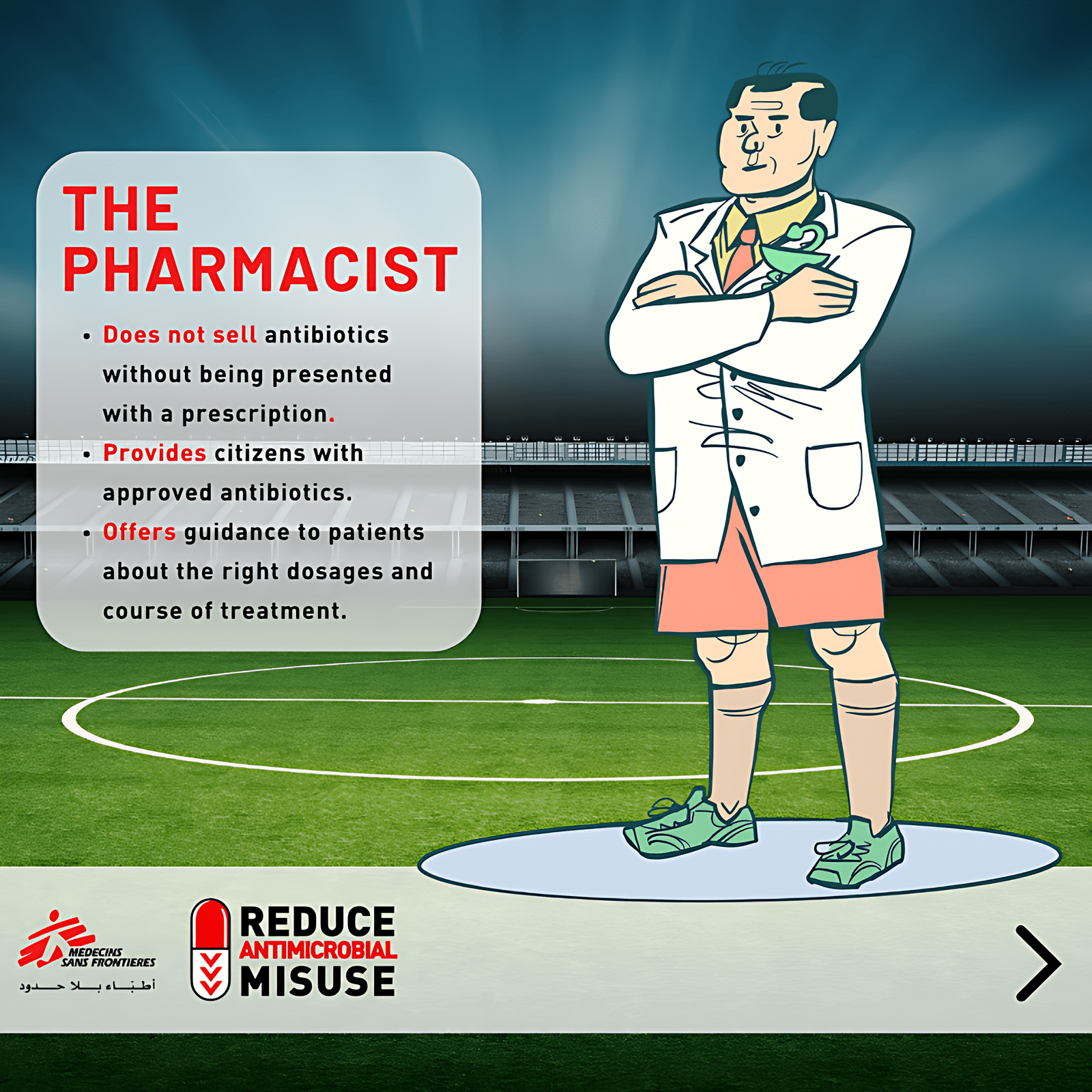
The pharmacist’s role in reducing antimicrobial misuse.
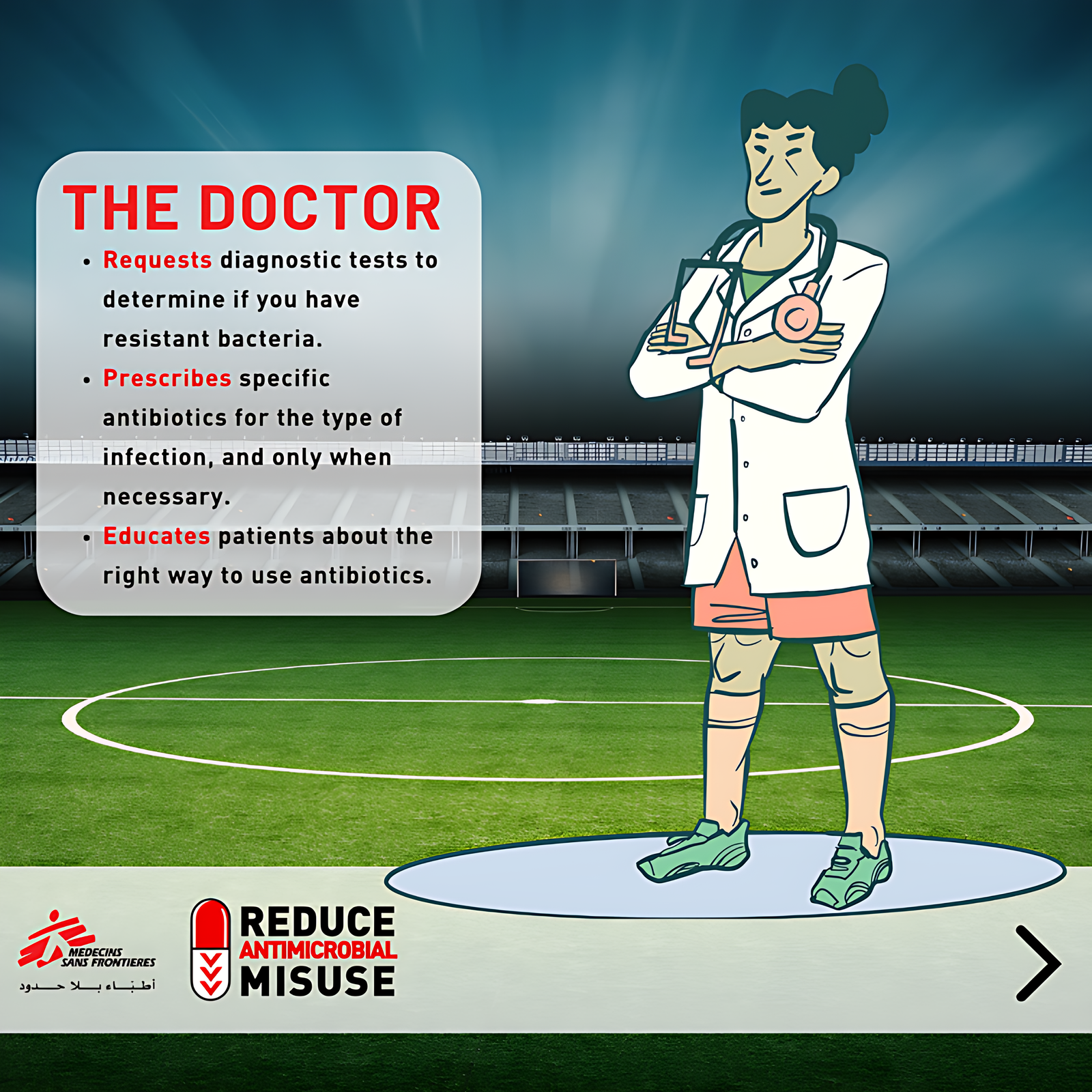
The doctor’s role in reducing antimicrobial misuse.
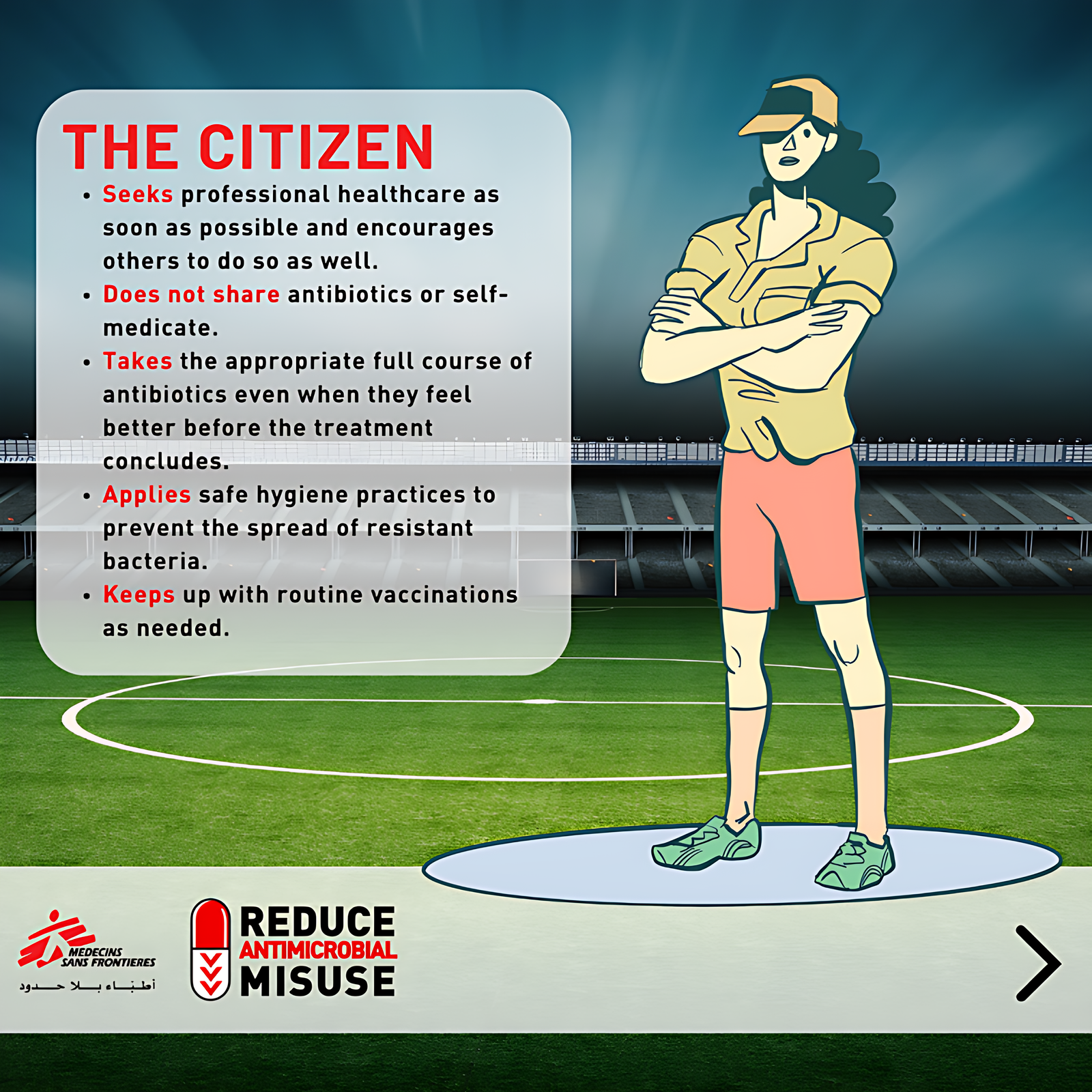
The citizen’s role in reducing antimicrobial misuse.
Together we can reduce antimicrobial misuse.

08 · Research

Latest Publication

Science portal

For more AMR related publications please check our Science portal